The Peaches and Cream Autism

Years ago, my autistic daughter participated in what they called a special needs sporting event. I was quietly cheering her on, and another parent asked, “What is she doing here? Helping?” I shook my head and explained that she, too, was playing as a child with a disability.

“What’s wrong with her?”

“Nothing is wrong with her. She just has autism.”

The other parent’s eyes glazed over as she remarked, “Not the real autism. She has the ‘peaches and cream’ autism.”

I gave no response.

This brief, somewhat painful interaction has stuck with me for more than a decade. First, the image of peaches and cream as it relates to levels of perceived heightened ability makes no sense. Second, the inner workings of the mind and body are generally difficult to observe because they are not overt. So those with the perceived simple “peaches and cream” autism seem to have no place. They are too visibly able to fit in with those who have overt disabilities, and too invisibly disabled to seamlessly connect with nondisabled peers.

Where do we land?

Unpacking the Peaches

Over the years, I’ve ruminated on the peaches and cream autism statement, and I have repeated the nonsensical phrase many times. Sometimes in an effort to try to figure it out; sometimes in an effort to gauge other’s understanding. Results were mixed.

My younger, non-autistic daughter, much like me, was trying to unpack the concept.

And she did, in a way that finally made sense. She being a mere 15 years old, made the revelation extraordinary.

“Maybe you have the peach fuzz autism too, Mom.”

“Peach fuzz?” I laughed. “It’s the ‘peaches and cream’ autism. And you are probably right.”

“Oh! I thought you were saying peach fuzz because it’s light and soft and hard to see.”

A large pile of peaches

Light and soft and hard to see

Peach Fuzz

The way my mind works, I pictured a peach with its soft, fuzzy outer skin covering the fruit’s flesh. This led to an exploration and possible conclusion to the peaches and cream conundrum. And it makes sense in relation to autism and hidden differences.

The peach’s fuzzy exterior has puzzled experts, with no definitive explanation for its presence. However, one prevailing theory suggests that this textured coating serves as an additional safeguard for the delicate peel, which is susceptible to premature rot.

Peach fuzz exists even though it is difficult to detect, and it exists for good reason.

When I shared my findings with my daughters, the younger one sighed. “Peach fuzz on the face, I meant.”

We’re still looking into it.


Greater Pittsburgh Community Foodbank Creates Flexible Space for People with Autism and Hidden Differences

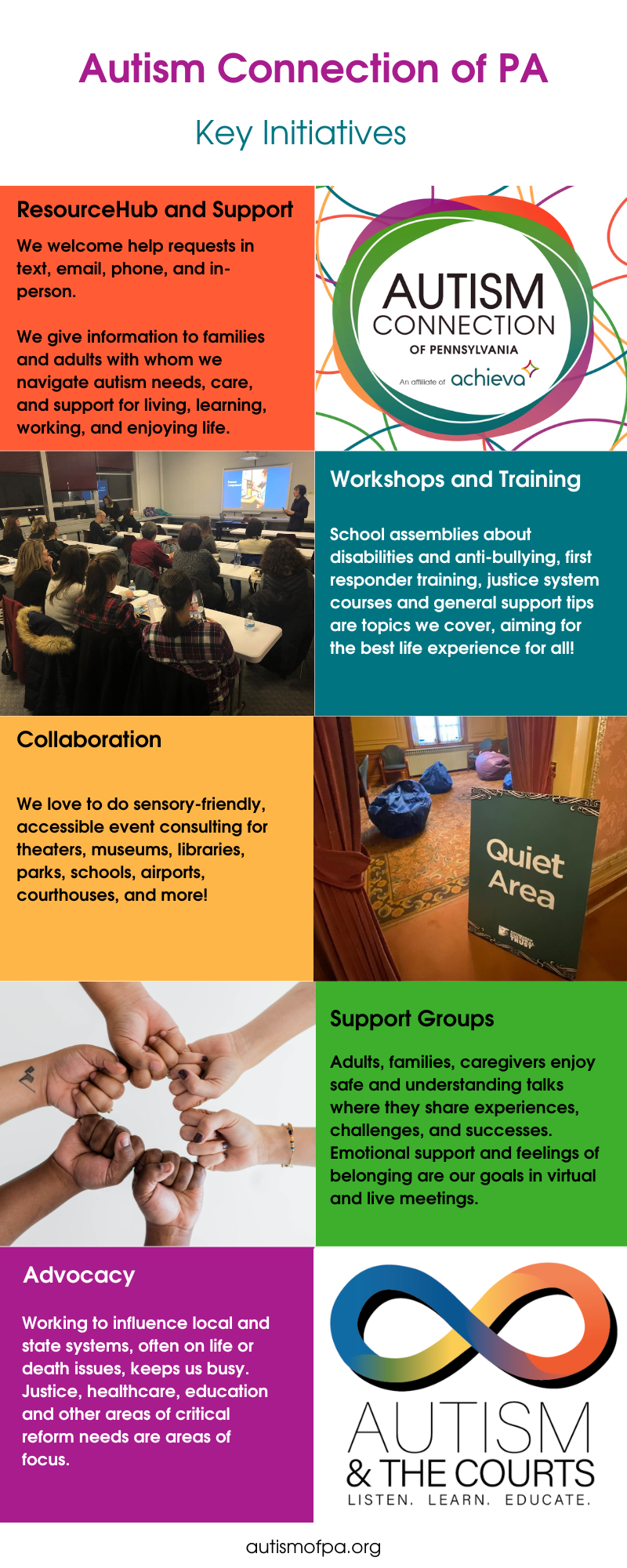
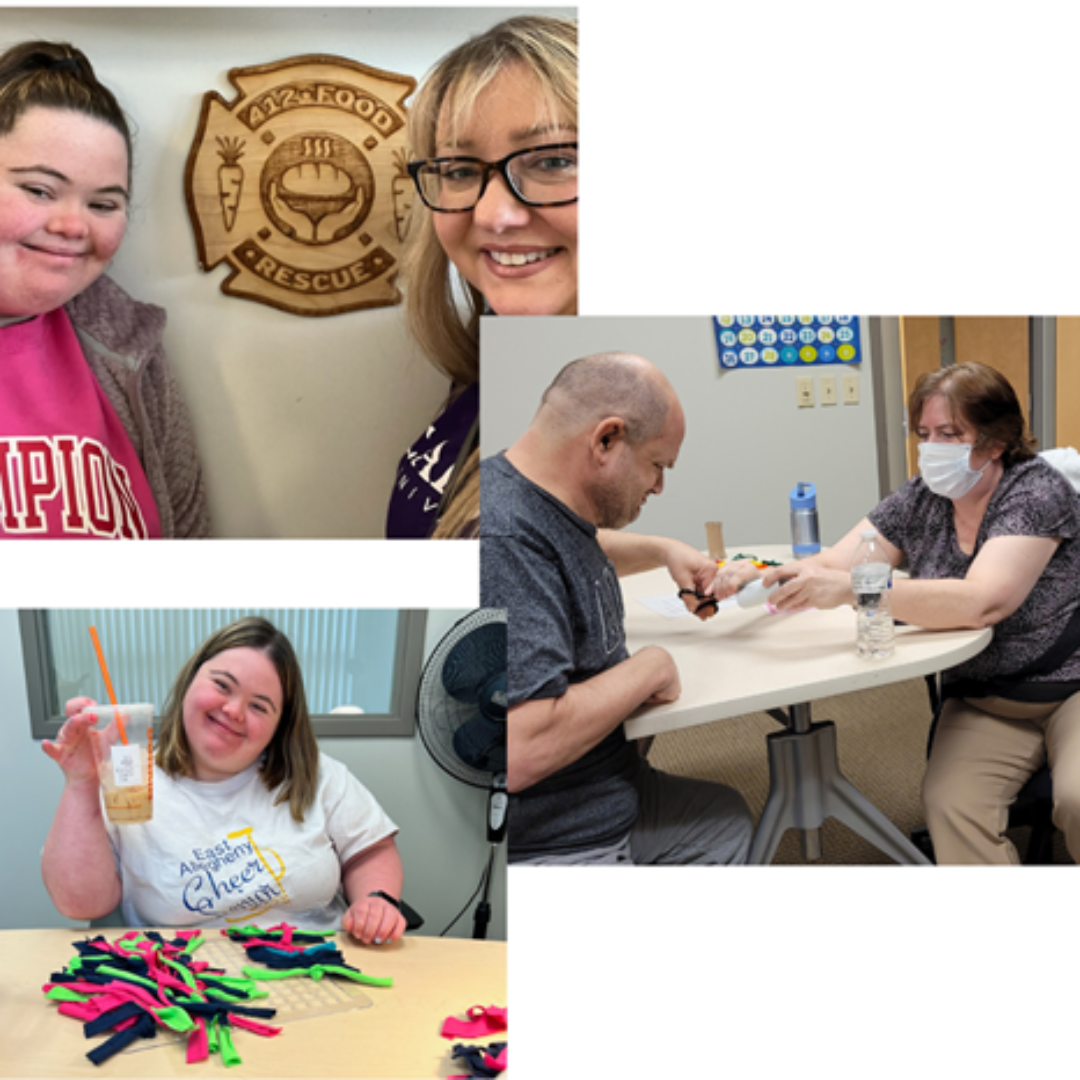
Autism Connection has made a couple visits to the Greater Pittsburgh Community Food Bank to talk about hidden differences. Maria Montaro, Corporate and Community Engagement Manager, organized the sessions, and she surprised us with adjustments the organization has made over the past few months. Creating an inclusive, flexible environment has become a force that drives the Food Bank’s mission.

Training and Consultation

Maria recognizes the importance of getting multiple perspectives, and training is one of her top priorities. Autism Connection had the opportunity to include Tanaya Hairston, an Achieva Early Intervention employee who has volunteered for sensory friendly performances at the Pittsburgh Cultural Trust. Her insight as a volunteer working with people on the autism spectrum was invaluable. The group shared experiences, brainstormed solutions, and created a plan of action.

Tanaya smiling into the camera holding a peace sign with her fingers

Tanaya Hairston smiling with excitement about sharing her experience

Adjusting the Environment for Inclusive Volunteer Opportunities

After the talk, Maria took time to take Autism Connection on a tour of the facility to show what ideas we shared were implemented. The results are stellar!

  • Clear signage and directions upon entering the building
  • Adjustable lighting
  • Quiet spaces
  • Easy access to sensory aids
  • Visual cues that provide direction and set expectations
  • Magnifying lenses
  • Noise canceling headphones
  • Comfortable, adjustable seating
  • Cushioned floor mats
  • Tasks broken down into one or two steps at a time
  • Breaks when needed

Understanding Universal Design

A big part of the discussion was about Universal Design. The primary focus for this approach is to create flexible spaces that can be adjusted according to individual needs. What works for one volunteer may not work for another, and sometimes needs of one conflict with the needs of another. The Greater Pittsburgh Community Food Bank recognizes that we can address each person’s needs by making adjustments catered to the individual. 


Autism Connection of Pennsylvania thanks Maria and the Greater Pittsburgh Community Food Bank for demonstrating their dedication to creating inclusive spaces that can be adjusted to suit the needs of their volunteers. We can’t wait to see what developments they have in the future.

Find tips for creating similar environments: Autism, Hidden Differences and Volunteering


Autism, Hidden Disabilities and Volunteering

Running an organization that accommodates volunteers with autism or hidden disabilities requires understanding, empathy, and flexibility. Here are some tips to create an inclusive and supportive environment for all volunteers:

  1. Educate all staff and volunteers: Provide training to all staff and volunteers about autism and hidden disabilities. This can help create awareness and promote understanding among team members.
  2. Flexible scheduling: Be open to flexible scheduling to accommodate volunteers’ needs. Some volunteers may thrive with consistent schedules, while others may prefer varied hours to avoid sensory overload.
  3. Designated quiet spaces: Create designated quiet spaces where volunteers can take a break if they feel overwhelmed or need some time to recharge.
  4. Clear communication: Use clear and concise communication, both in person and in written instructions. Avoid figurative language or ambiguous directions, as some people with autism may struggle with interpreting them.
  5. Visual aids: Use visual aids, such as charts, diagrams, or picture schedules, to help volunteers understand tasks and processes. Visual cues can be beneficial for those who have difficulty processing verbal information.
  6. Buddy system: Implement a buddy system pairing volunteers with autism or hidden disabilities with experienced and understanding volunteers. This can provide additional support and make the volunteering experience more enjoyable.
  7. Task preferences: Allow volunteers to express their preferences for specific tasks they feel comfortable doing. Tailoring assignments to individual strengths can increase motivation and confidence.
  8. Sensory considerations: Be mindful of the sensory environment. For example, dimming bright lights, minimizing loud noises, or providing noise-cancelling headphones can create a more comfortable atmosphere.
  9. Regular breaks: Schedule regular breaks for all volunteers, ensuring they have time to rest and recharge as needed.
  10. Positive reinforcement: Recognize and celebrate the efforts and contributions of all volunteers. Positive reinforcement can go a long way in boosting self-esteem and encouraging continued participation.
  11. Accommodate communication preferences: Some people with hidden disabilities may have specific communication preferences (e.g., email, text messages, or written notes). Be willing to accommodate these preferences to facilitate effective communication.
  12. Encourage feedback: Create a culture that encourages open feedback from volunteers about their experiences and any additional support they may need.
  13. Avoid sensory overload: Limit the number of simultaneous tasks or activities that volunteers are expected to handle. Overloading the senses can be challenging for individuals with autism or hidden disabilities.
  14. Patience and empathy: Above all, approach each volunteer with patience and empathy. Recognize that everyone has unique needs and challenges, and a supportive and understanding attitude can make a significant difference.

By implementing these tips, you can foster an inclusive and adjustable environment where all volunteers can contribute their skills and feel valued in an organization’s mission.


Identifying Autism in Adults

The autism spectrum is broad, varying features that are sometimes difficult to recognize on the surface. Some adults may have lived their lives without a full awareness that some of the barriers and struggles they have faced are a result of undiagnosed autism. Reports include those who have been stunned by the direct question, “When were you diagnosed with autism?” Other reports specify experiencing difficulty understanding social interactions, difficulty with tolerating textures, changes in routines, and being genuinely dumbfounded by other people’s seemingly insensitive perspectives and behavior. Those reporting range in ages from 20 to 64 years old.

At Autism Connection of PA, Chrisoula manages hundreds of calls, emails, and website contact entries each month. She offers suggestions to adults who want to identify the signs of adult autism, getting diagnosis, and finding support and resources.

-TLM


Identifying Signs of Autism in Adults

While autism is commonly associated with childhood, it is crucial to acknowledge that many people may remain undiagnosed until later in life. Some prevalent signs and characteristics that may indicate autism in adults include:

  1. Social Communication Differences: Difficulty comprehending and utilizing nonverbal cues, challenges in sustaining conversations, and struggles with recognizing and expressing emotions
  2. Sensory Sensitivities: Heightened sensitivity or aversion to specific sounds, sights, textures, tastes, or smells
  3. Special Interests and Routines: Intense focus and extensive knowledge in particular areas of interest, accompanied by a preference for routines and consistency
  4. Executive Functioning Challenges: Difficulties with organization, time management, planning, and flexible thinking
  5. Social Interaction Difficulties: Feeling overwhelmed in social situations, experiencing difficulties in establishing and maintaining friendships, and struggling to grasp social nuances

Pursuing a Diagnosis

If you suspect that you may have autism or exhibit some of the aforementioned signs, it is important to seek a formal diagnosis. Here are the steps you can take:

  1. Educate Yourself: Acquire knowledge about autism in adults and familiarize yourself with the diagnostic process. Learn about common traits and characteristics associated with autism. Weekly e-news covers a range of topics. 
  2. Consult Professionals: Reach out to healthcare providers, psychologists, or diagnosticians who specialize in assessing autism in adults. They can guide you through the evaluation process.
  3. Diagnostic Assessment: The assessment typically involves interviews, questionnaires, and observations to evaluate your social, communication, and behavioral patterns. The goal is to gain a comprehensive understanding of your experiences and determine whether autism is an appropriate diagnosis.

Support and Resources

Following a diagnosis, people with autism can access various forms of support to enhance their well-being and quality of life. Here are some beneficial resources:

  1. Therapy and Counseling: Engage in individual or group therapy sessions with professionals experienced in working with adults on the autism spectrum. Therapy can focus on developing social skills, regulating emotions, and addressing specific challenges.
  2. Skill Development Programs: Seek out programs that offer training in areas such as executive functioning, communication, and social skills, tailored to the specific needs of adults with autism.
  3. Support Groups and Communities: Connect with local or online support groups where you can meet others who share similar experiences. These groups provide opportunities to share insights, receive emotional support, and connect with others on a similar journey. We offer several support groups for you to join!

Recognizing signs of autism in adulthood, pursuing a diagnosis, and accessing support are crucial steps toward understanding oneself and navigating life with autism. By staying informed, seeking professional guidance, and utilizing appropriate resources, autistic people can embark on a path of self-acceptance, growth, and fulfillment. Remember, Autism Connection of Pennsylvania is here to support you every step of the way.

–Chrisoula Perdziola, Resource Specialist

help@autismofpa.org


Landscape: Lessons Learned

Looking for a way to positively impact an autistic teen or adult in your orbit? Consider hiring them to cut your grass. I’ve done this twice and here is what I have learned so far:

Grass cutting is a social skill.

Grass cutting requires knowing what the boss wants the lawn to look like. My first employee was a man with intense support needs who is non-speaking and always thinking! He loved cutting with a rotary mower – the old fashioned kind your gramma had. That made a kind of grass “confetti” he loved to create and then watch it fly. This means he really liked to cut grass in short, choppy bursts, and his original method made results akin to crop circles.

Did I care? Not really. Did I shape that behavior to straight lines anyway by standing across the lawn and asking him to come toward me? Yes, over time, since maybe he could transfer this skill to another customer. But to be honest, the artist in me loved the crop circles and I kind of miss that lawn art.

Expect an eye for detail.

This same young man learned to “look for it” when prompted – he would look around for the longer patches of grass, and take a run at them.  He enjoyed this method and it took advantage of his strong visual system. My second helper might pause as falling maple seed “helicopters” fly by.  Those catch his eye for a few seconds. That’s okay. He still gets the job done really well and with a great attitude.

Cash on a tree

Pay real money, at market rates.

If someone is doing a job for you, it’s only right to pay what someone else would make if the end result is similar or even better! Pay immediately (I am working on this as cash on hand is not something I am used to having). This reinforces the work behavior and is most respectful.

It’s okay to pay in advance.

And teach what an advance means. Sometimes I do this because I only have $20 dollar bills, and our rate is an odd number. But I still want to pay on time so I give and talk about an advance, especially noting that not all bosses do this – I don’t want to set up an unrealistic expectation for his next job. Hold the person accountable to the task owed to you in a timely manner so everyone wins.

Appreciate behavior you may not expect.

My second lawn person laid down on the grass the first time he cut it to eyeball everything, making sure it was even. He looked like a golfer lining up a putt. I said “You are super attentive to detail and that’s admirable.” He didn’t feel the need to check like that after the first time he made sure things turned out right. I did not correct him – he seemed satisfied with that one and only quality assurance check.

Again, win/win.

measuring grass

Point out visual results.

My autistic friends tell me the best jobs are ones where they can visibly see change as a result of their work. Recently I taught my new helper how to manually edge the lawn. Once he got the hang of it, the work went quickly. Then we stood and I pointed out how neat it looked, and once he focused on that, he smiled.  The next time he cut the grass, he finished, stopped and looked around at both the edging and the lawn, and said for the first time “Look how great it looks!” It’s possible he missed that in the past and didn’t look at the big picture. Helping people appreciate their own good work is a great practice we all could do more!

Don’t sugar coat things.

If you ask your employee to do something new, you may hear “I don’t want to do that.” Explore what he or she is thinking. That may mean “I’m not confident in that skill” or “I have no idea what you expect,” or “I don’t like it.” Help the person learn the new thing if that’s what you think is going on. And if it’s truly “I don’t like that weed whacking” then it’s okay to say, “Well, I can’t pay you for that part then if I need to do it myself.” Fair is fair, and teaching this early on is respectful.

In the same vein, if something is done poorly, point it out and ask why they think that happened. Maybe they got distracted and missed a spot. Or you may hear something like “Well, it’s been a really long time since I’ve done that,” which may mean, “I don’t remember how” or “I don’t know how and I am too shy to say so.” 

Give the person time to explain and see what you as a supervisor can do to help. Autism is in part a communication disorder and sometimes it takes a little detective work to figure things out and that’s okay.

apple pencil

Know what motivates the worker.

In my current situation, money = Apple products. The request for a very significant raise this season was because this worker wanted a new tablet. I explained that bosses pay a rate for a job regardless of what the employee might want to buy and that a financial goal is not the employer’s concern, but it’s really good to have one. This led to a discussion about fair market rate and about the cost of living increase over last year. So this worker negotiated a raise, just a smaller one than he proposed, and not one based on the latest tablet upgrade he wants.  Last night I paid him cash immediately and he exclaimed “THIS IS A NEW APPLE PENCIL!” Tying cash money to a tangible spending goal is a really great skill to see in a young worker! And it honestly reinforces my having cash on hand for him.

Teach about how this job can help get future jobs.

We have had discussions about what other jobs my helper is interested in (restaurant work). We’ve talked about me as a “reference” and discussed how new bosses want to check references.  “Are you on time? Do you learn fast? Do you take correction with a positive attitude?  Do you finish your work? I would say YES to all those things. That makes me a good reference.”  This got a response of “OH!” and now this young man knows a new thing about the hidden curriculum of work.


I learn more every single time it’s lawn cutting day. This current worker decided to leave one third of the job to do today because he likes getting paid twice in one week, it seems. Or maybe yesterday he met his goal of an Apple pencil, and today he is starting over with a new quest. That’s fine with me.

Having his help sometimes feels priceless! I benefit from his positivity and also of course, from the labor I don’t need to do so I can focus on other chores. So I recommend you think about that kid down the block, or a relative perhaps, and consider being their first boss. Who knows, you might kick off an entire career for someone while making your life a little easier in the process.


How to Avoid Medication Mishaps

Carol Miller, RN/BSN, Director of Clinical Services at Achieva and Missy Knox, RN will talk about avoiding medication mishaps.

The presentation will:

  • Review questions to ask when starting a new medication
  • How to form good medication habits,
  • Medication storage, packaging, and disposal options
  • How to identify and react to medication emergencies

They will also briefly touch on genetic testing and how this may influence your medications, and there will be time for questions after the presentation.

This is a free virtual workshop, but registration is required. Register here.