You Can’t Accomplish Just Anything You Want

Thanks to our great support network we were able to do a quick turnaround and prevent the likely loss of a career for someone who recently reached out to us for help. We were so grateful for all the forces that combined and allowed us to be our mission of “a lifeline of support.”   

M. had been “in love” with a young person they met over ten years ago. While they never had an in-person dating relationship, a heart was captured and imagination took over. Sending poems, emails, texts, flowers, candy, and more, can be lovely gestures when welcomed, but wound up being scary and threatening to the love interest who did not welcome them. Finally, a protective order was filed in an out of state court. The first order covered 24 hours, the second, two weeks, and three business days following our first call with the accused, the court would hear and see evidence to produce a two-year Protective Order which would have cost our new client their job.

Hearing someone so distraught, tearful, hopeless, and being baffled by this turn of events kicked us into high gear. This college educated professional was stuck in emotions and had no idea what to do, nor if they needed to appear in court despite simple court paperwork clearly stating they needed to attend in person. There was no plan, no lawyer, no defense strategy, and only three days plus a weekend to work with. Fortunately, this person immediately reached out to and signed up with both referrals we provided, one being a defense attorney licensed in the state of the proceedings, and the other, a therapist who provides services for those in the justice system. We owe a debt of gratitude to board trustee Tiffany Sizemore who provided the out of state referral, and to Shawn McGill who immediately took the call and offered his professional help.

The judge heard both sides of the case in great detail on the day of proceedings, taking autism into consideration but not focusing on it. And much to the surprise of most involved, including the defendant’s attorney, the judge did not place our client under a Protective Order because he did not hear criminal intent nor malice, and believed the testimony that they were moving on permanently and would never contact the plaintiff again.

We talked that night after it was all over, and I asked a question I have often thought about. “What rules did you follow that you learned growing up as a kid that may have led to trouble in this situation?” And right off the bat the answer was “Follow your heart. And if you work hard enough, you can achieve anything!”  

make your words count

Now, that last one is not true for any one of us! And while we routinely use phrases like these, they can lead some to overly apply them very literally and not know when to change course. Positivity is sometimes helpful but it can become toxic. So please consider the individual when you use encouraging words. We were lucky in timing and that we know the best network of helpers, but this was such a close brush with disaster that the client wanted us to teach with this story. In their own words spoken the night after things cleared up, “I just want to give presents to everybody who helped me. And I am a first grader in terms of dating – I was in love with a mirage!  I ‘m definitely going to do the counseling too. But overall I want to tell this story and help make sure this never happens to anyone else, ever again!”


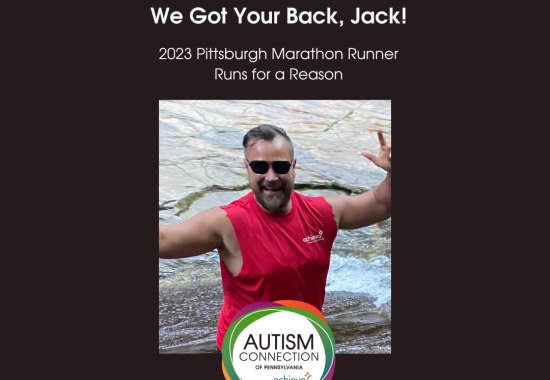
We Got Your Back, Jack! 2023 Pittsburgh Marathon Runner Runs for a Reason

I was diagnosed with ADHD at 43.  I always knew that I was different from my peers. Looking back, that difference created barriers and annoyed people at times.  My non-stop chatter and impulsivity would lead to fights, self medication, and forced isolation during adolescence and early adulthood. I reflect now and I realize that physical activity helped regulate me; you may say it saved me. The structure and expectation of sports was key in my day-to-day success and when it was missing, the consequences were unpredictable.  

Having a daughter with the same observable traits led me to encouraging physical activity and we experienced the positive outcomes of those daily challenges. That is how we live our lives together.  As a family we participate in 5ks, competitive dance, competitive powerlifting, soccer, and terrain races. And now at age 50, I myself am training for my first Marathon! 

This journey has already led to some meaningful moments in my life. I am thrilled that I can fundraise for a vital cause, and neurodiversity is now an open part of my personal life as much as it has been part of my professional life. 

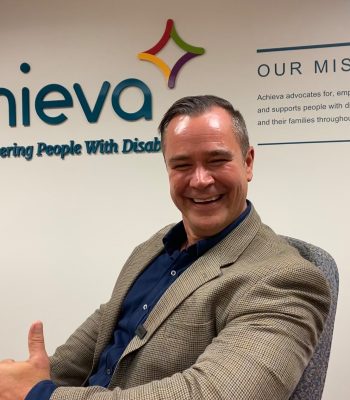
Jack smiling broadly wearing a blazer and sitting in a conference room at Achieva

Jack Butler exudes passion for his work.

I have chosen to raise funds for the Autism Connection of PA, part of Achieva family of organizations where I have worked for 28 years.  Autism Connection relies on fundraising to fulfill its mission to promote awareness and advocacy for and with autistic people. People who like me, may identify with being on the fringe of societal norms. Autism Connection is not focused on fixing people, but welcoming people to the table, supporting their goals, and valuing all perspectives.  

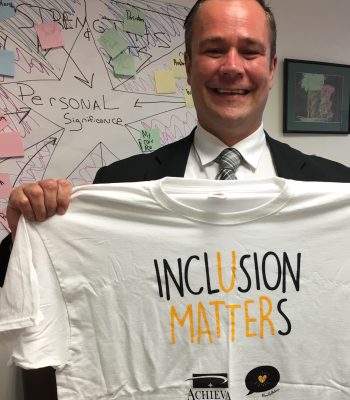
Jack proudly holds up a tshirt that says Inclusion Matter

Inclusion Matters!

By sponsoring me to run the Pittsburgh Marathon, you will help Autism Connection continue their good work and help all people lead lives of personal significance. What started as a therapeutic way for me to self-regulate has now turned into a way I can  help meet some of the support needs of others. Please join me in this effort – I could use  your encouragement every step of the way! 


We got your back, Jack! Visit Jack Butler’s 2023 DICK’S Sporting Goods Pittsburgh Marathon page.


Let the Children Lead Us and Teach Us

One day a week I take myself to the office, the rest of the week I work remotely. The fluorescent lights in the office are not kind, and it takes me an hour to de-escalate myself once I get home. Sensory overload is real and it is hard. I wasn’t always aware of my sensory needs, and I still struggle with coping, but my son taught me how to identify obstacles in the environment. They were always there, and sensory overload affected me, but I am a product of the 80’s and 90’s growing up, and we certainly didn’t talk about sensory needs. You just dealt with it, or didn’t, but regardless you did it quietly.

Fast forward to having a child who was diagnosed with autism.

As a parent of a child on the spectrum, I had a large learning curve and I needed to maneuver it quickly. One day he didn’t have autism, and the next he did. Now I know, autism was always a part of him, this is what I mean by learning curve. In the beginning, I was circumventing the curve by doing everything others told me I needed to do to “cure the autism”. The focus was on changing him, not on creating a space where he could thrive. If he wasn’t in therapy or working on targeted skills, we were wasting precious time to “fix” him. False. False. False. 

Let me stop here and replace cure with cope and also say that speech, occupational, physical therapy, and skill building can happen in all the places all time. Children need space to be children and their adults need space to just be supportive adults. And while we’re replacing words in our vocabulary, let’s replace compliance with cooperation. But we can talk more about compliance vs cooperation in a future blog. 

We have so much to learn from people, especially children. Once I began focusing on coping, rather than fixing, everything changed. When I learned to listen to what my son was communicating but wasn’t verbally saying, everything changed. My son changed my entire view moving forward and made me realize I needed to reflect inward. The space I was trying to create for him to thrive, I learned, I also wanted. I didn’t want to just “get through it” anymore.  

Actively listening to my son smashed my rose colored glasses and showed me the beautiful world of diversity and inclusion. I learned how to identify and advocate for what I needed to be comfortable. I learned that asking questions and genuinely wanting to get to know about people and what is important to and for them, helps us all grow and create safe spaces. I learned that as I’ve shared how I feel or what I’ve experienced, many others say “me too!”, which creates a welcoming environment to share what is in their hearts and in their minds. I learned to meet people where they are. Even though I’m much older than my son, it’s been a life changing experience to learn together that neither of us needed fixing.  

This is a reminder to let the children lead us and teach us.

E.R. Heffel


Creating an Affordable Sensory-Friendly Room

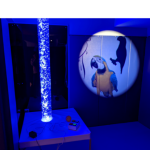
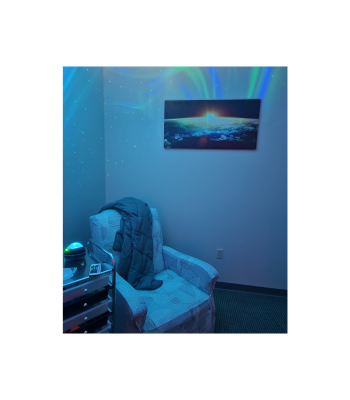
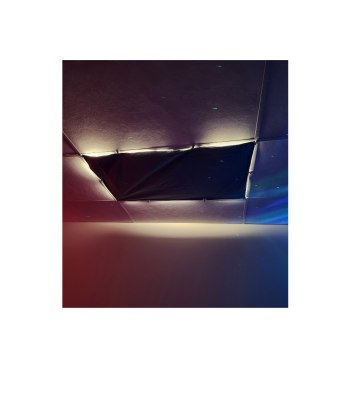
A sensory-friendly room can be a crucial step toward providing comfort and relaxation for people with sensory sensitivities. However, the idea of taking on this task may seem overwhelming because of the high costs associated with it. Recently, Autism Connection of Pennsylvania visited our friends at Three Rivers Community Care, where CEO, Allison Broaddrick, demonstrated that many of the elements found in our region’s large, sensory-friendly spaces can be replicated on a smaller, more affordable scale. Examining larger projects in the Pittsburgh area is a source of inspiration.

Examples of Sensory-Friendly Areas

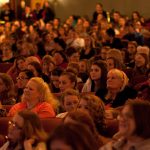
Autism Connection of Pennsylvania has seen innovative examples of areas that help people with sensory sensitivities since the Pittsburgh Cultural Trust brought sensory-friendly performances to our region back in 2013. One of the most outstanding endeavors is the sensory-friendly area at the Pittsburgh International Airport, Presley’s Place. This project motivated The Honorable Jennifer McCrady to initiate sensory friendly areas in the Family Division of the Allegheny County Courthouse.


Affordable Sensory-Friendly Rooms

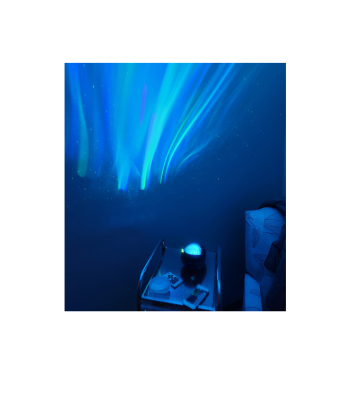
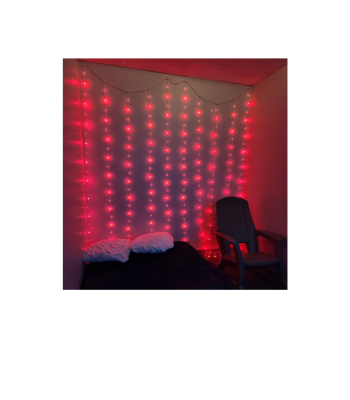
First, a quick congratulations to Allison Broaddrick, for making the list of 30 Under 30 in the Pittsburgh Business Times. Her ingenuity and knack for problem-solving are among her greatest assets, and her use of inexpensive materials in creating a calming area at Three Rivers Community Care is a great model. The process began with addressing the specific needs that her friends, clients and associates expressed. From there, the team began putting ideas into motion.


Quick Tips for Inexpensive Sensory-Friendly Spaces

Choose the right color scheme: Soft pastels or muted shades of blue, green or lavender can help to create a calming atmosphere.

Manage lighting: Lighting can play a significant role in sensory experiences. Use soft lighting to create a relaxing environment. Avoid bright or fluorescent and flashing lights. Consider using dimmer switches or lampshades to help control the level of light.

Provide comfortable seating: Choose a comfortable chair or couch with soft, supportive cushions.

Incorporate soft textures: Use soft blankets, pillows, and plush toys to create a sensory-friendly atmosphere that is still texturally interesting.

Use soundproofing materials: Soundproofing materials can help to reduce outside noise, creating a quiet environment. Use foam panels or curtains to absorb sound.

Implement what works for for the person as an individual: Taking the lead from those who will benefit from the space is a critical first step. Look for elements that resonate with personally; it can be a favorite toy, activity, or sound.

Begin With The End In Mind

We can’t stress enough how very important it is to begin by listening to people who experience overwhelming sensory processing experiences. In each successful endeavor, people with lived expertise took active roles in the planning and development, and each project adjusts to feedback from different perspectives. The partnership between the Pittsburgh International Airport and Hayes Design Group Architects is a prime example because this collaboration began by bringing people who have sensory processing differences, autism, post-traumatic stress, and anxiety to the planning and development table at its inception.

Autism Connection of Pennsylvania continues to collaborate with the community in creating environments that are inclusive and accessible. Current projects include Accessibility in the Arts and the Frick Environmental Center Sensory Classroom. Time and time again, we find that many ideas are remarkably simple and can be inexpensive to replicate if we listen carefully and respond by bringing ideas to life.


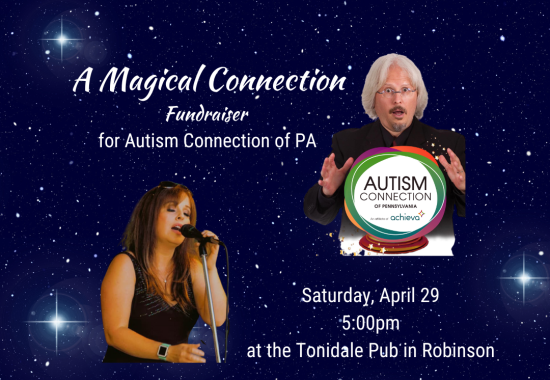
A Magical Connection Fundraiser for Autism Connection of PA

On Saturday, April 29, 2023, our friends at A Magical Fundraiser are hosting 13th Hour Entertainment and Autism Connection of PA for a casual night out at the Tonidale Pub in Robinson Township. Magical Connection is a fun, high-sensory event that benefits the region’s autism community

This event features:

  • Dinner
  • Mindwarp Show featuring Mentalist/Magician Steve Haberman with the vocal talents of Tracy Lynn  
  • Disc Jockey and Dancing by Nite Life DJz
  • Basket Raffle and 50/50 drawing

 Autism Connection of Pennsylvania spoke with the talented Tracy Lynn and the amazing Steve Haberman.

Autism Connection (AC): You’re involved in many different endeavors. Can you share about 13 Hour Entertainment, A Magical Fundraiser, the Mindwarp show, and your partnership? 

Tracy and Steve (TS): 13th Hour Entertainment Inc. is a company specializing in family and corporate entertainment. We have combined with Magic Wand Princess Parties, Nite Life DJz and other entertainers to provide A Magical Fundraiser to help organizations that have fundraising needs. We provide the entertainment for these functions along with advice on how to make fundraising events successful. From years of working at these events, we have learned a lot about how the organization can maximize their efforts and money generated. Over the years we have worked with schools, fraternal organizations, companies, and other charitable organizations. Our Mind Warp Show is one of the most popular entertainment options for this type of event. It combines magic, comedy, and music into one show that appeals to all audiences.

AC: How did you become involved with A Magical Connection Fundraiser for Autism Connection?

TS: We have a lot of friends and family who have children or relatives that are on the spectrum.  We have been wanting to do a fundraiser for a few years now to benefit autism awareness, because we think it is important for families to know the support that is there for them and truly feel accepted. With the pandemic, our plans were put on hold. We have a very close friend who has autism that guided us to the Autism Connection of PA, and we couldn’t be happier to be working with this foundation.
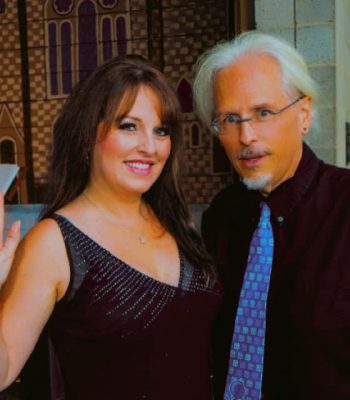
Phot of Tracy Lynn and Steve Haberman dressed for a show and waving at the camera

Tracy Lynn and Steve Haberman

AC: Do you have any outstanding experiences with people on the autism spectrum as a performer/artist?

TS: Many entertainers that work with 13th Hour Entertainment have performed for people on the autism spectrum. Magician Steve Haberman in particular, performs at numerous schools throughout Pennsylvania, Ohio and West Virginia for school assemblies and there are normally kids at these events who have a range of disabilities, autism, and hidden differences. He has performed for children with special needs in smaller groups and birthday parties as well. Steve also provided magical entertainment for a convention at Pittsburgh’s David Lawrence Convention Center for an autism conference. During this conference, Steve performed multiple magic shows throughout the day for the kids while parents attended various meetings and lectures. It is our great pleasure to work with the Autism Connection of PA on a fundraiser for this very important cause.

Ticket and Sponsorship Information Here

If you have questions about this event, feel free to call Tracy Lynn at 13th Hour Entertainment, (412) 926-3472 or email her at Tcolussy.inc@gmail.com.


Support for Autism Connection of PA directly impacts people of all ages facing many challenges related to autism. Contributions raised will fund: help for families seeking resources, development of inclusive, sensory friendly areas across Pennsylvania, first responder training, virtual and in-person workshops, school homeroom and assembly talks about hidden differences, educator and administrative training, justice system reform, and so much more. 

Visit Wednesday Wake Up Call for weekly updates of our current work.

The official registration and financial information of Autism Connection of PA may be obtained form the PA Department of State by calling 1-800-732-0999. Registration does not imply endorsement
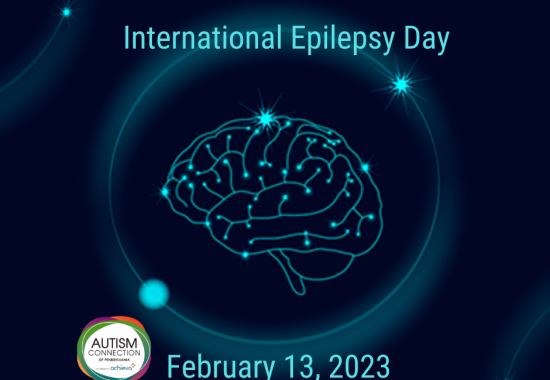
International Epilepsy Day February 13, 2023

International Epilepsy Day is observed annually on the second Monday of February to raise awareness and to promote understanding and acceptance. The theme for International Epilepsy Day 2023 is “Epilepsy in the Workplace,” which highlights the challenges people with epilepsy face at work, and the importance of creating inclusive and supportive environments.

The earliest mentions of epilepsy can be traced back to Babylonian tablets from around 2000 BCE, where it was referred to as the “sacred disease.”* In ancient Greece, the physician Hippocrates wrote extensively about the condition, and attempted to distinguish it from other conditions, such as possession by demons. The word “epilepsy” itself comes from the Greek word “epilambanein,” which means “to seize.”

Epilepsy and autism are two distinct medical conditions, but they can co-occur. According to the Centers for Disease Control and Prevention (CDC), approximately one-third of people autistic people also have epilepsy. This overlap is more commonly seen in people with severe autism and intellectual disability.

Epilepsy is a neurological condition characterized by recurring seizures, which are sudden and brief disturbances in the electrical activity of the brain. There are many different types of epilepsy, and the exact cause of the seizures can vary. Autism, on the other hand, affects communication, social interaction, and behavior. It is a spectrum disorder, which means that the symptoms and severity can vary greatly from person to person. It is important to note that while epilepsy and autism can co-occur, one does not cause the other. If someone has both conditions, they will typically receive separate diagnoses and treatment plans for each.

If you have questions about epilepsy, visit our friends at the Epilepsy Association of Western and Central PA.

**  “The Diagnostic Handbook: A Babylonian Terrestrial Atlas” by Emma Wasserman, Brill, Leiden, 2000.


Is That All You Got?

We learn a lot from individual histories and situations thanks to people trusting us with their personal stories and advocacy needs. Over the years, some situations have revealed that an additional medical or psychological diagnosis, or both (often a psych diagnosis is rooted in medical issues) may be the real culprits causing someone’s suffering. Autism is not the only difference a person can have, and we need to look closely at ourselves, and the people we care about. We also need to help others see folks for the complex and interesting beings that they truly are.

Imagine someone diagnosed with Type I, or juvenile diabetes, at age 12, and for the rest of their life all issues were attributed to that. Headaches?  It’s the diabetes. Vision issues? It’s the diabetes. Fatigue and nausea? – you get the picture. And what if those symptoms were coming from treatable migraines but never prevented or resolved by regular migraine treatment? A person might – and many do – suffer for decades if they are only seen as having one issue as the cause of everything wrong, while something else is going on. They have more than “one thing” and need to be treated as such.

We support three unrelated people who each have experienced: job loss, eviction, academic punishment and expulsion, legal issues, getting lost during travel, and social problems. All three have an autism diagnosis, and all three had been in car accidents from four years to decades ago! Once we started to say, “This does not seem like your autism,” and started referring them to traumatic brain injury (TBI) evaluations and treatment programs, many of their emotional burdens fell away.

They felt the same feelings of being different and not being able to move forward that many undiagnosed autistic adults feel. The additional, correct diagnosis of traumatic brain injury has resulted in feelings of relief, being finally understood, and belonging to a new support community. Are they still autistic? Yes! Can they be helped by a couple of different specialists? Also, yes. Combined therapies are doing great things!

We are all many “things” at once. Lazy, hungry, and curious, a chef, Netflix watcher, and a bookworm, a housecleaner, gamer, and a guardian, even a cat AND a dog lover! We can also be autistic and hypoglycemic, nearsighted and have tinnitus, or have anxiety and joint issues. Each of us exists in combinations of gifts, needs, strengths, interests, and biological differences. So please consider another look at yourself or someone you care about.

If things are not getting better, or they are worsening, or something has been bothering you for a long time and you keep putting off a checkup — trust your instincts!  Get and go to a doctor’s appointment. Contact us to talk things over — we know cross-disability professional friends, and can sometimes help with specialist medical referrals. Hopefully we can get you to a new “right place” to meet your needs. Let’s take a clear look at ourselves in this new year, together and with the tailored support each one of us deserves.