Why Aliyah Rahman’s Testimony Matters

For many years, we have used a decision-making funnel – developed through our board’s strategic planning – to guide what we post, write about, and include in our publications. An article must provide hope or useful information. We do not publicize trauma, pity, or inspiration porn. We are here to serve people and live our mission as a lifeline of support, information and advocacy. Scaring people, manipulating them with pity, or exploiting people with disabilities are simply the wrong tactics for us.

As a result, our total database now includes more than 21,000 contacts, with roughly 6,500 people following us on social media and about 12,000 receiving our weekly e-blast. It is okay to grow by serving people, and that appears to be exactly what has happened.

This week’s testimony by Aliyah Rahman is an example of extreme bravery, empathy, and resolve, and needs to be heard. Aliyah is an autistic woman with a traumatic brain injury who was assaulted by federal agents in Minneapolis. Her six-minute speech is extraordinarily powerful. While she speaks about being terrorized and harmed, her primary concern is for the many people she witnessed inside an inhumane detention center who do not have her platform. Aliyah demonstrates incredible courage that provides hope while also shattering the harmful stereotype that autistic people lack empathy. That is vital information for us all.


This video includes firsthand testimony from Aliyah Rahman, an autistic woman with a traumatic brain injury, describing harm she experienced in detention. Her words are difficult, but they are shared to provide truth, information, and hope, and to amplify concern for others who do not have a platform. Please take care while watching.


We have dedicated years to working within the criminal legal system in support of people of all ages who encounter law enforcement. We have received grants focused on educating people with disabilities, including hiring Evolve Coaching to help produce the video What to Expect in a Traffic Stop. We have been invited by police departments, district attorney offices, jails, probation, parole, and other entities to provide training on supporting people with a medical diagnosis of autism.

Now, with Aliyah’s story, and the thousands of others who are caught up despite not being investigative targets, we face a conflict. How do we teach, train, support, or offer hope and information in the face of armed troops with marching orders, overwhelming power, and strong financial incentives to capture people regardless of their status? Aliyah did exactly what we teach people to do. She shouted, “I have a disability! I am autistic! I need accommodations!” and it was as if she were screaming into a void. Yes, she was later released, but the physical and emotional harm she and others experience daily cannot simply be erased. That is not how human bodies or brains work.

Through her sworn testimony, Aliyah Rahman has become the teacher, the volunteer advocate for others, and the embodiment of informed hope. We support her in spirit and hope her message helps stem the tide of violence in so many communities, and stops it before it spreads nationwide.


We are here.

If you need help, support, or connection, please reach out.

Autism Connection of PA

412-515-3938

Email: help@autismofpa.org


12 Months of April

What if April didn’t have to end? That’s the question behind 12 Months of April, a project turning autism awareness into year-round action. From creating sensory kits to connecting families and first responders with life-saving programs like Yellow Dot and Project Lifesaver, this initiative started with one parent’s mission: make safety resources known, accessible, and ready when they matter most.

The parent behind the project, Kati Maas-Crawford, shares the story behind 12 Months of April.

When Good Intentions Aren’t Enough: Lessons from Autism, Safety, and Community Programs

In November 2024, I met with my municipality to discuss programs like the Yellow Dot Program and Project Lifesaver. I followed up with emails to help supply the building with pamphlets and information. In March 2025, I read a court document labeling these efforts “gratuitous,” which was upsetting. How could programs meant to help people with special needs be seen as unnecessary, especially by a family law firm?

A week later, Victor Perez was shot and killed by police in Idaho. I wondered if resources like a premise alert or special needs registry, or de-escalation techniques I’ve used in classrooms, could have made a difference. Shortly after, RFK held a press conference on autism, sparking widespread debate that felt personal, since autism touches both my home and work life.

At the end of April 2025, a book was sent to our house “to help” our child. It wasn’t requested, didn’t focus on coping skills or sensory needs, and didn’t fully represent autistic experiences. We were initially told it came from our municipality or police department. When I raised concerns and suggested better options, I was later informed the book did not come from them, which left questions and frustrations unresolved.

Making April Last All Year

Any one of these things would create anxiety for a parent but everything quickly accumulating amplified my worries. I knew that passively observing all these problems was not an option for me. If there is a problem, you solve it. One clear problem was that there wasn’t enough awareness of these resources by families, care providers or first responders. We were deep in April, which is autism awareness month, but what happens once April is done?

You make April year-round!

I then made myself the goal of contacting all municipalities in Allegheny County within 12 months about programs that they could share with their first responder services as well as community members. Hence the name “12 Months of April.” I made a Facebook page about my goal to hold myself publicly accountable as well as promote the safety resources.

safety resources

Yellow Dot, Project Lifesaver, and Premise Alerts are free through the County and State and can make such a difference for everyone who could be involved in an emergency.

The Yellow Dot program is a yellow circle sticker that goes on your back windshield to alert first responders that someone in the car has special needs whether they be medical, physical or cognitive. A yellow pamphlet in the glove box details these needs to help first responders provide even better assistance for someone who is deaf, non-verbal, diabetic, heart condition, anything.

Project Lifesaver is a national program that is currently sponsored in Allegheny County through the DA’s office. It is a bracelet that a person wears and can be tracked through radio frequency should a person wander and does not have the means to communicate or understand where they are. This benefits those with autism as well as those with dementia or Alzheimer’s. This can help greatly reduce search time for someone which is crucial in preventing injuries or death.

The Allegheny County Premise alert is also known as the Special Needs Registry. I personally share it as a premise alert as it can help in many ways. You register with the county and then if services are dispatched to your home, police get an alert that gives them information about special needs, if the house has firearms, senior resident is on oxygen, or anything that helps prepare them.

I personally feel that the ball has been dropped, or not even picked up when it comes to promoting these programs. Information about them seems to be a reactive measure after a tragedy has happened. I would much rather be proactive. Even if one person a day learns about these things, then they can share with someone else and information will continue to ripple out.

Sensory Kits

As things were progressing, I spoke with a social worker and we discussed the cost of sensory kits. Sensory kits can retail for $50-$150 which can be hard to work into budgets. I feel that that cost is high, especially considering how much of the kit contents were sitting in a toy box at my house. I felt that something was better than nothing and started making kits.

The kit may look like a Ziplock bag of “stuff” but everything in them has a purpose. Every item in the kits reminds me of our child or my students. I made and donated a few, posted it on our page and then started receiving requests! To keep up with requests, I started posting on Facebook and talking with friends about others cleaning out their toy boxes. As things continued, it was suggested that I make an Amazon Wishlist, which people have been so generous with!

My husband and our daughter help make and deliver the kits. Our daughter is so caring about others and we are so proud of her every day! She understands what everything in the kit can help with and has explained the sensory kits in front of Fire Departments, Fraternal Order of the Police meetings and each grade at her school for their Safety Day. As my goal progressed, places were requesting that we come do a presentation about the sensory kits as well as other resources and ideas.

sensory kit helper


Growing the Mission: Expanding Sensory Kit Support and Community Partnerships

As this project has grown, I feel the need to keep it going and expand into neighboring counties as well as Erie county where I grew up. To support that mission I jumped through the hoops to get non-profit status to keep things accountable and ready to grow. I want to keep reaching out to different organizations about spreading information about the safety programs as well as coming together to collect items for kits, make them and then get them to first responders.

The list of people I want to thank is constantly growing and it’s almost unbelievable how supportive people have been, especially those in the community where we live. There is a man in Cranberry, Harry Rattay, who has been incredibly supportive with orders and funds and I can tell how much he loves his nephew.

We have started working with schools, Girl Scout and Cub Scout troops, American Heritage Girls, and more to collect items, create kits and donate them to first responders while children can learn more about what the first responders do. The ACLD Tilotson School in Baldwin has made 65 kits! Girl Scout Troop 16144 in Shaler has 30 kits made and they will be directly donating them to O’Hara PD, Lower Valley EMS as well as Parkview EMS and VFD.

I always say that in a perfect world, these kits wouldn’t be needed. But we all know that anything can happen and I am hoping that these kits will help First Responders assist children, those with special needs really anyone who could use some different support during a crisis. I have met so many wonderful and helpful people along the way and we find ways to help each other. Whether it is sharing posts, exchanging items, offering and receiving support, everyone has been awesome!


The 12 Months of April project has grown from creating sensory kits for local first responders to expanding into neighboring counties, partnering with schools, scout troops, and community members to collect, assemble, and distribute kits. With nonprofit status secured, the initiative continues to raise awareness, provide practical support, and build a network of caring people dedicated to helping children and individuals with special needs during emergencies. To learn more, visit 12 Months of April on Facebook.
Autism-Friendly Halloween

Tricks for Autism-Friendly Halloween Treats

“My son is 3 years old and has autism,” Omairis Taylor wrote on a Facebook post that went viral, adding, “Please allow him (or anyone with a BLUE BUCKET) to enjoy this day.” In the post, Taylor explained that adults handing out candy the previous year would wait for her son to say “trick or treat” before giving him candy, requiring her to explain to each of them that he is non-speaking. Rather than deal with the added stress of having to explain her son’s disorder multiple times this year, Taylor came up with the creative solution of using a blue bucket to represent it, thus encouraging greater awareness and acceptance of autism for the upcoming holiday.

Although many people have embraced this strategy, others express concern about exacerbating the stigma that comes with autism, while also putting the burden of compassion and understanding on autistic children and their parents. Should they be required to explain their diagnosis or carrying an identifier for a treat? Whether you’re a fan of the blue bucket or not, the following four tricks can be helpful additions or alternatives to make this Halloween more inclusive and, more importantly, more fun!

Halloween is for everyone

No explanation necessary.


1.    Prevent sensory overload with sensory toys, headphones, and/or ear plugs. Make sure to prepare your child for the potentially unsettling sounds and decorations they might see by first explaining that they are just pretend and perhaps showing him or her how they work before you go trick or treating. However, you can keep sensory overload to a minimum by bringing along a sensory toy, headphones, and/or ear plugs when loud noises are present. 

2.    Plan a costume dress rehearsal. Have your child try on his or her costume a few times before Halloween so they can get used to how it feels and determine if the material is comfortable enough to wear for a couple of hours. Consider opting for a larger size so your child can wear their own clothes underneath. 

3.    Bring some buddies. Non-autistic friends and siblings are great allies to have while trick-or-treating. They can remind your child of the rules of trick-or-treating and help guide them through the process, even doing some of the talking for them. Buddies can also help keep an extra eye on children who have a tendency to wander, while still making them feel included in their peer group.

4.    Gamify the experience. Some children with autism prefer more structure around their activities, so it might be helpful to turn the experience into a game of some sort. For example, you might want to create a map of every house you will go to and cross them off after each visit. You can also encourage your child to count how many chocolate candies vs fruity candies he or she gets to create a kind of scientific experiment about which type of candy is more common.  No matter what you choose to do for the holiday, make sure you’re focused first on just enjoying the time with family and friends. Remember that Halloween is about creative expression, so celebrate what makes your child unique!


Autism Safety Expo 2025

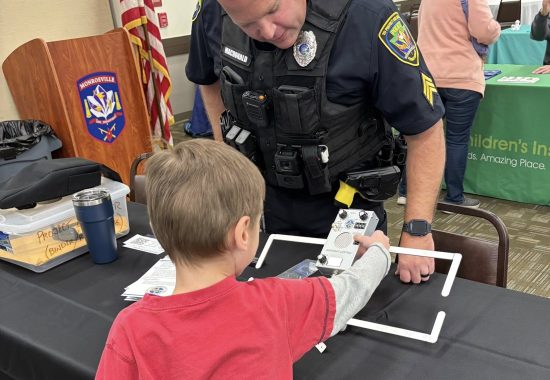
Autism Connection of PA is excited to announce our upcoming Autism Safety Expo in concert with Jefferson Health’s Center for Autism and Neurodiversity, Philadelphia.  The Expo will unite families, caregivers, professionals, and community members to promote safety awareness related to autism and co-occurring conditions on Friday October 17th from 9-4, and Saturday the 18th from 9-noon at Monroeville Volunteer Fire Company #4, 4370 Northern Pike, Monroeville, PA 15146.   Your participation in this event will help make it an important “one stop shop” for people dealing with disability challenges, who are in need of safety and caregiving supplies, technology, and information!

There is no fee nor registration required for the community.

Sponsor and Event Table opportunities are available. 

Click here for Sponsorship

Click here for Event Table

Email development@autismofpa.org for more information.


Autism Safety Expo 2025

Autism Connection of PA is excited to announce our upcoming Autism Safety Expo in concert with Jefferson Health’s Center for Autism and Neurodiversity, Philadelphia.  The Expo will unite families, caregivers, professionals, and community members to promote safety awareness related to autism and co-occurring conditions on Friday October 17th from 9-4, and Saturday the 18th from 9-noon at Monroeville Volunteer Fire Company #4, 4370 Northern Pike, Monroeville, PA 15146.   Your participation in this event will help make it an important “one stop shop” for people dealing with disability challenges, who are in need of safety and caregiving supplies, technology, and information!

There is no fee nor registration required for the community.

Sponsor and Event Table opportunities are available. 

Click here for Sponsorship

Click here for Event Table

Email development@autismofpa.org for more information.


Autism Safety Expo 2025

PRESS RELEASE: THURSDAY, JULY 10, 2025

Autism Connection of Pennsylvania Presents Inaugural Safety Expo in Concert with the Jefferson Center for Autism and Neurodiversity


Monroeville, PA: Autism Connection of Pennsylvania, in concert with the Jefferson Center for Autism and Neurodiversity in Philadelphia, is proud to announce its first-ever Autism Safety Expo; a comprehensive two-day event devoted to promoting safety in the home and the community for people of all ages and stages on the autism spectrum and their families.

Autism Connection of Pennsylvania’s Safety Expo is important because it brings together critical resources that help ensure the well-being of autistic people in nearly every aspect of life, from their homes to schools to public spaces. Many families and self-advocates struggle to navigate complex systems when it comes to legal rights, medical needs, emergency preparedness, and physical and social safety. This Expo offers a rare opportunity to access all of that information in one place, with trusted experts who understand the unique challenges faced by the autism community. By creating a safe, inclusive space for learning and connection, the event empowers individuals and families to proactively build safer, more supportive environments.

Dates & Location

  • Friday, October 17, 2025 | 9:00 AM – 4:00 PM
  • Saturday, October 18, 2025 | 9:00 AM – 12:00 PM
  • Monroeville Volunteer Fire Company #4
    • 4370 Northern Pike, Monroeville, PA 15146

Expo Highlights and Resources

This “one-stop-shop” experience invites families, caregivers, autistic people, professionals, and community members to access vital safety solutions covering:

  • Legal Safety:  Guardianship, special education law, rights under the Americans with Disabilities Act, and access to legal aid organizations.
  • Medical Safety:  Including sensory-friendly best practices, medical ID tools, emergency-preparedness plans, and how to navigate healthcare settings comfortably 
  • Community and Social Safety: Safe travel, publicspace accessibility, social-skills training, and resources on self-advocacy and community inclusion.
  • Technology and Adaptive Tools: Exhibitors showcasing assistive tech, safety-alert devices, home-monitoring systems, and calming sensory aids.
  • First Responders Engagement: In person discussions with fire, police, and EMS personnel to build understanding of autism-friendly response protocols.
  • Caregiving & Family Support: Peer support groups, respite resources, and guidance from social-service agencies.

Why Safety Matters

Autism Connection of Pennsylvania surveyed autistic people, families, and caregivers about their greatest concerns. Safety is the utmost priority for people of all ages living in both rural and urban areas, and with different levels of need. In response, the Autism Connection is organizing this event to connect people with critical resources. 

Concerns about safety include wandering, self-harm, medication management, interactions with first responders

Safety is multidimensional: legal, medical, social, and environmental. By bringing together experts from each domain, the Autism Safety Expo offers resources to autistic people and families to proactively build environments, knowledge, and community systems that support neurodiverse safety.


About Autism Connection of PA
Since 1996, Autism Connection of PA has served as a trusted resource for families and professionals across the state, offering support groups, educational workshops and webinars, advocacy, and information on art, justice, school, and lifelong planning.

About Jefferson Center for Autism and Neurodiversity
A division of Jefferson Health, the Center champions neurodiverse-aware design and clinical practices, highlighted by its sensory-inclusive Honickman Center in Philadelphia’s city center.


The official registration and financial information of Autism Connection of PA may be obtained from the Pennsylvania Department of State by calling toll-free, within Pennsylvania, 1-800-732-0999. Registration does not imply endorsement.